Africa accounted for a third of global democratic declines between 2019 and 2024, while also producing nearly a quarter of global improvements, a new report by an intergovernmental watchdog found.
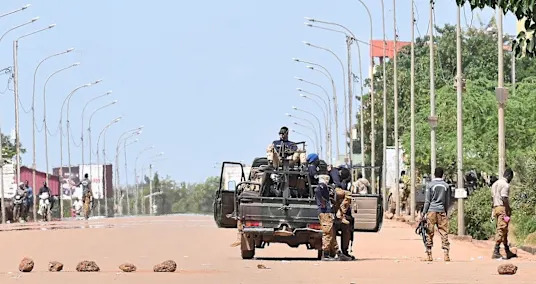
The sharpest setbacks were linked to a wave of military takeovers in the Sahel and parts of central Africa, the Stockholm-based International IDEA said in its Global State of Democracy report. Just last week in Burkina Faso — which saw two coups in 2022, and which remains under military rule — junta leader Ibrahim Traoré told reporters that “people need to forget about democracy.” Mali and Guinea are also governed by military regimes following putsches in recent years. International IDEA said these disruptions weakened electoral credibility, dissolved parliaments, and curtailed judicial independence.
At the same time, the organization noted that Botswana, Mauritius, and South Africa saw gains in electoral administration, and civic participation remained comparatively strong across the continent.
LATEST POSTS
- 1
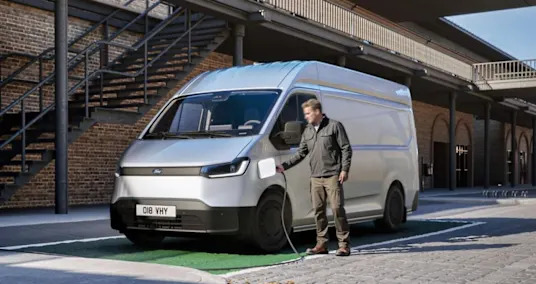
 Ford Is Using a Chinese-Built Van to Fight Europe’s EV Price War
 - 26 Fledgling Cameras for 2024: Ideal for New Photographic artists
- 3In blow to Lula, Brazil Congress revives controversial environmental bill
- 4She just became the first wheelchair user to travel to space
- 5Shredded cheese recall: Multiple brands sold at Aldi, Target and Walmart affected over potential metal fragment contamination


- NASA's Artemis 2 astronauts are cruising to the moon. So why are they doing CPR tests today?
- Figure out How to Function Successfully with Your Auto Collision Legal advisor for the Best Result
- German mid-sized firms gloomy on outlook, survey finds
- Step by step instructions to Streamline Your Dozing Involvement in a Savvy Bed
- Amateur's Manual for Venture Strategies for Tenderfoots
- The Drone Video of the Year is stunning – you've not seen Namibia like this
- German Winemakers Rewrite The Rules Of Riesling In A Warming World
- Multi-million-euro win in Spanish lottery in doubt due to oversight
- First stop, the Moon. Next stop, Mars? Why Nasa's mission matters