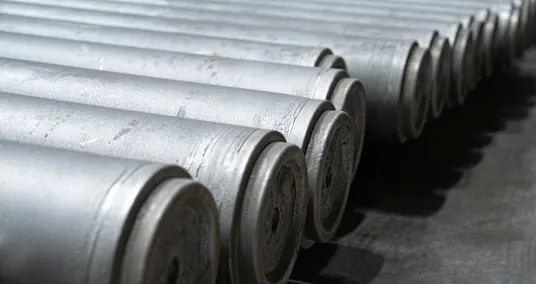
Fears of global aluminium shortages that could affect the production of clean energy technologies intensified after Iran struck two major Gulf aluminium producers, sending prices to a four-year high. The Middle East accounts for 9% of the world’s production of aluminum, which is essential to a wide range of industries from transportation, construction, and packaging, as well as the manufacture of solar panels, electrical transmission systems, wind turbines, and EVs.
Export shipments to the US and Europe had already come to a halt because of the effective closure of the Strait of Hormuz, and Morgan Stanley economists singled out aluminium as carrying a high level of risk across the value chain. Andy Farida, an aluminium analyst at Fastmarkets, told Semafor that high prices would be passed on to end-users, ultimately causing demand destruction. “A prolonged shutdown (with little to no alternative supplies other than Russia and China) could cripple the supply of aluminium to support the production of clean and green technology,” he said, adding that relief could come “if governments allow some sanctioned Russian and Chinese aluminium to be imported.”

LATEST POSTS
- 1
 The most effective method to Boost Eco-friendliness in Your Volvo XC40
 - 21st results from Blue Ghost lunar lander reveal how much we still don't know about the moon
- 3Step by step instructions to Analyze Senior Insurance Contracts Really.
- 4The most effective method to Apply Antiquated Ways of thinking in Current Brain science Practices
- 5Holyvolt And Wildcat Could Help The West Reclaim Battery Leadership




- Solid Living Tips: Experiences from a Wellness Fan
- Death toll from floods in Afghanistan rises to 61
- Ocean side Objections: Staggering Waterfront Breaks
- Key Business Regulations to Consider While Arranging Your Independent venture
- Move. Cheer. Dance. Do the wave. How to tap into the collective joy of 'we mode'
- Figure out How to Streamline Eco-friendliness in Your Volvo XC40
- Trump signs bill allowing whole milk to return to school lunches
- Everyone knows F1 is for the girls. I wandered into the Las Vegas desert to find out why.
- Rediscovering Euphoria: Individual Accounts of Conquering Despondency